
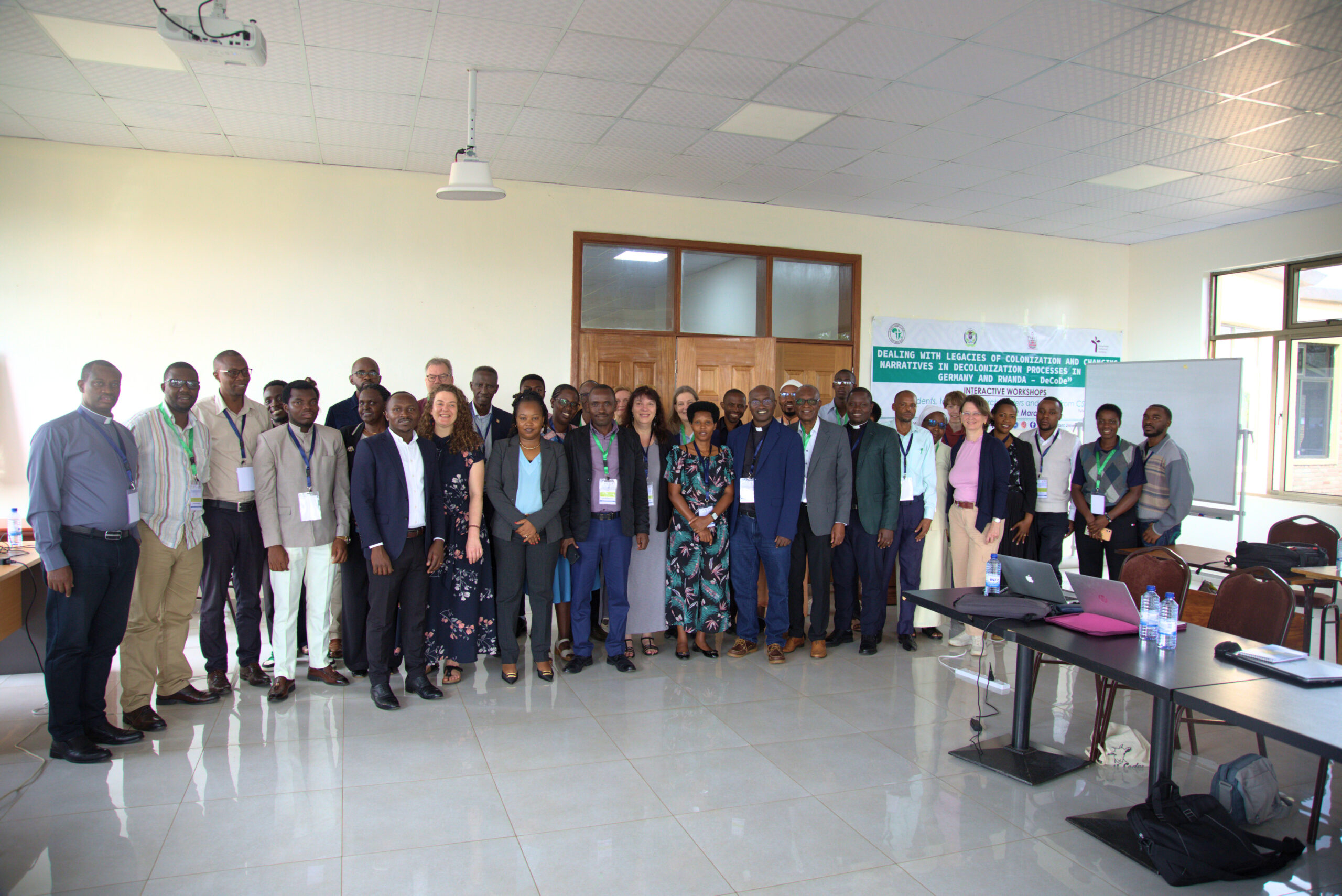
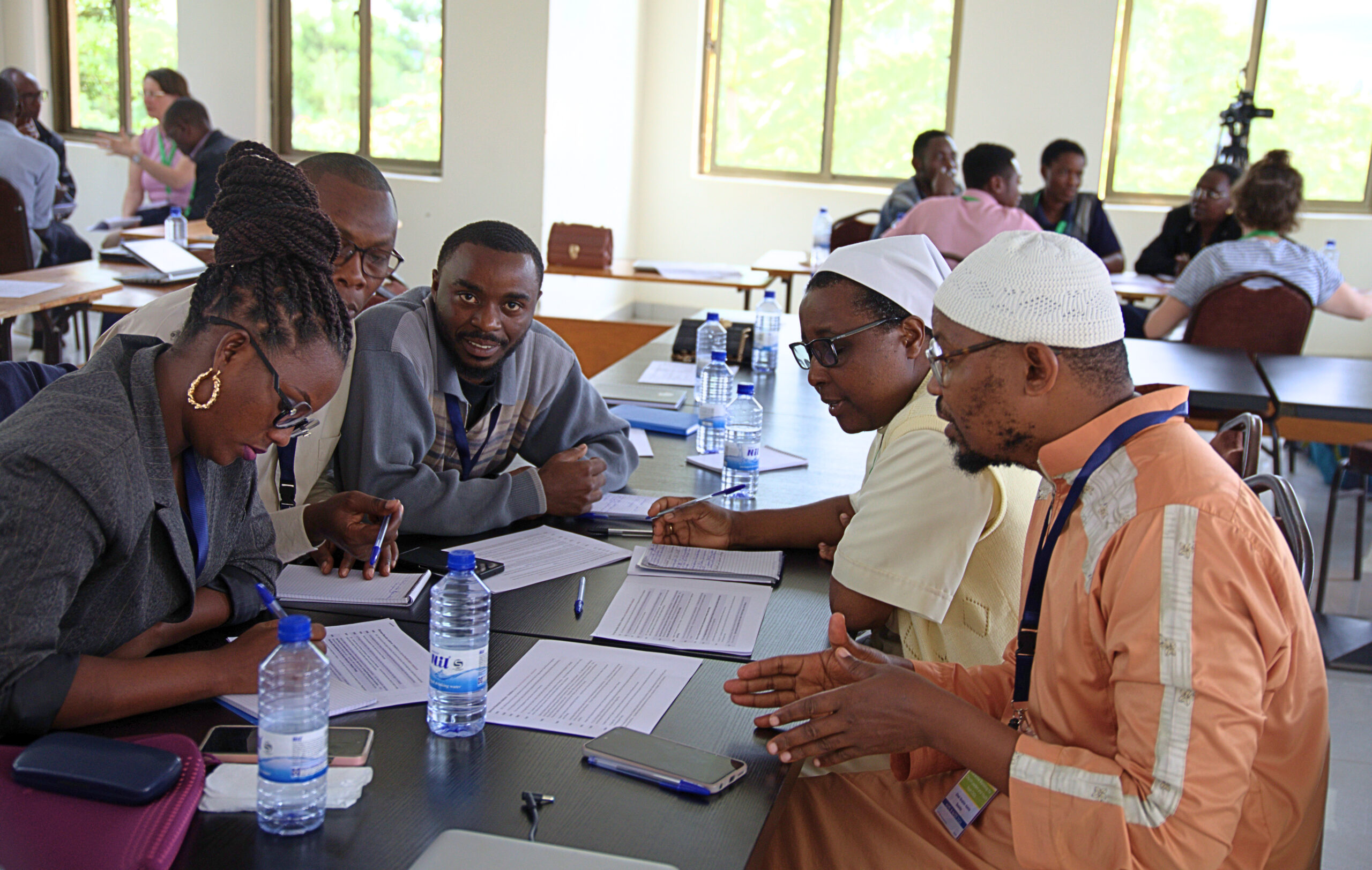
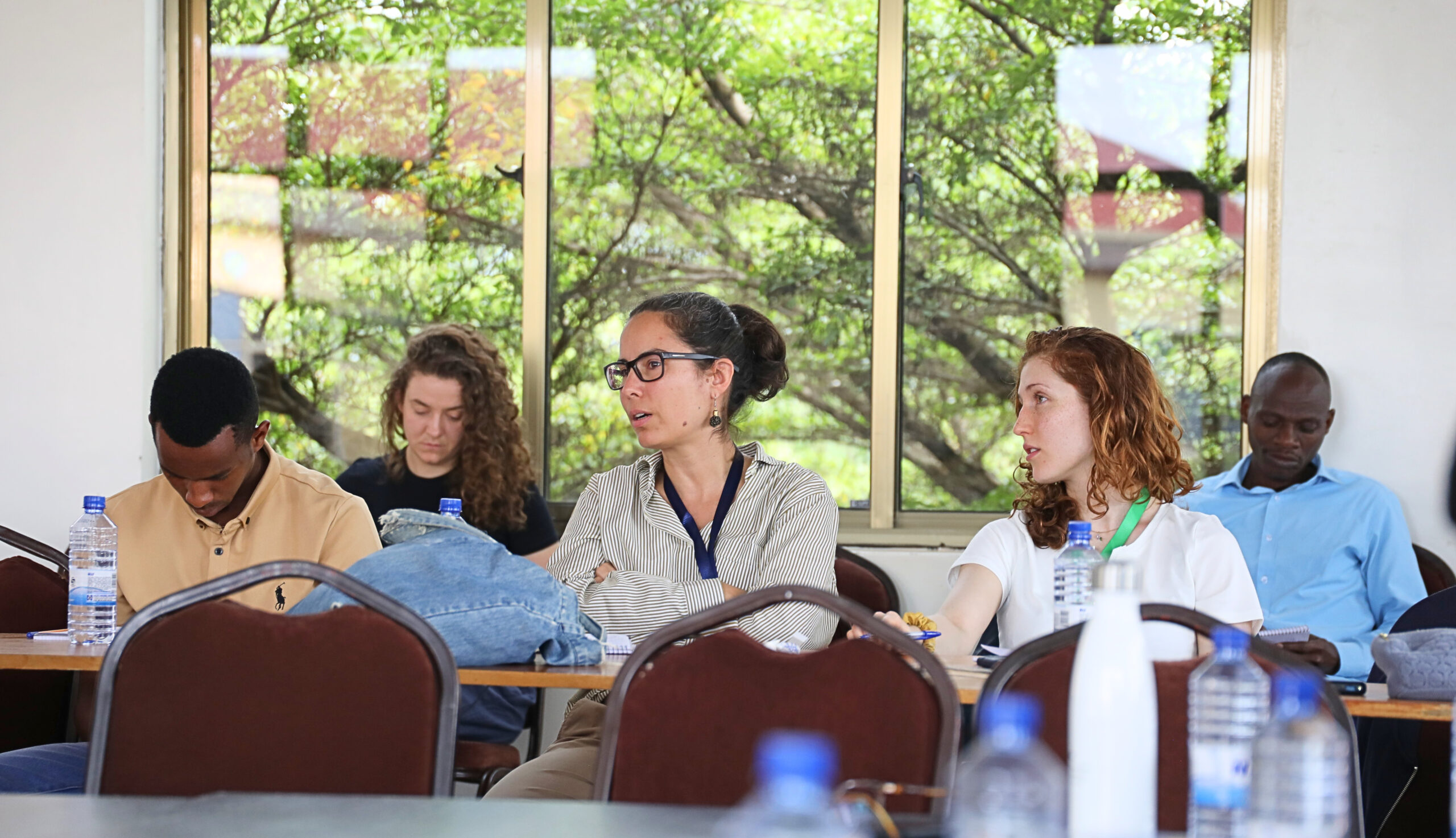
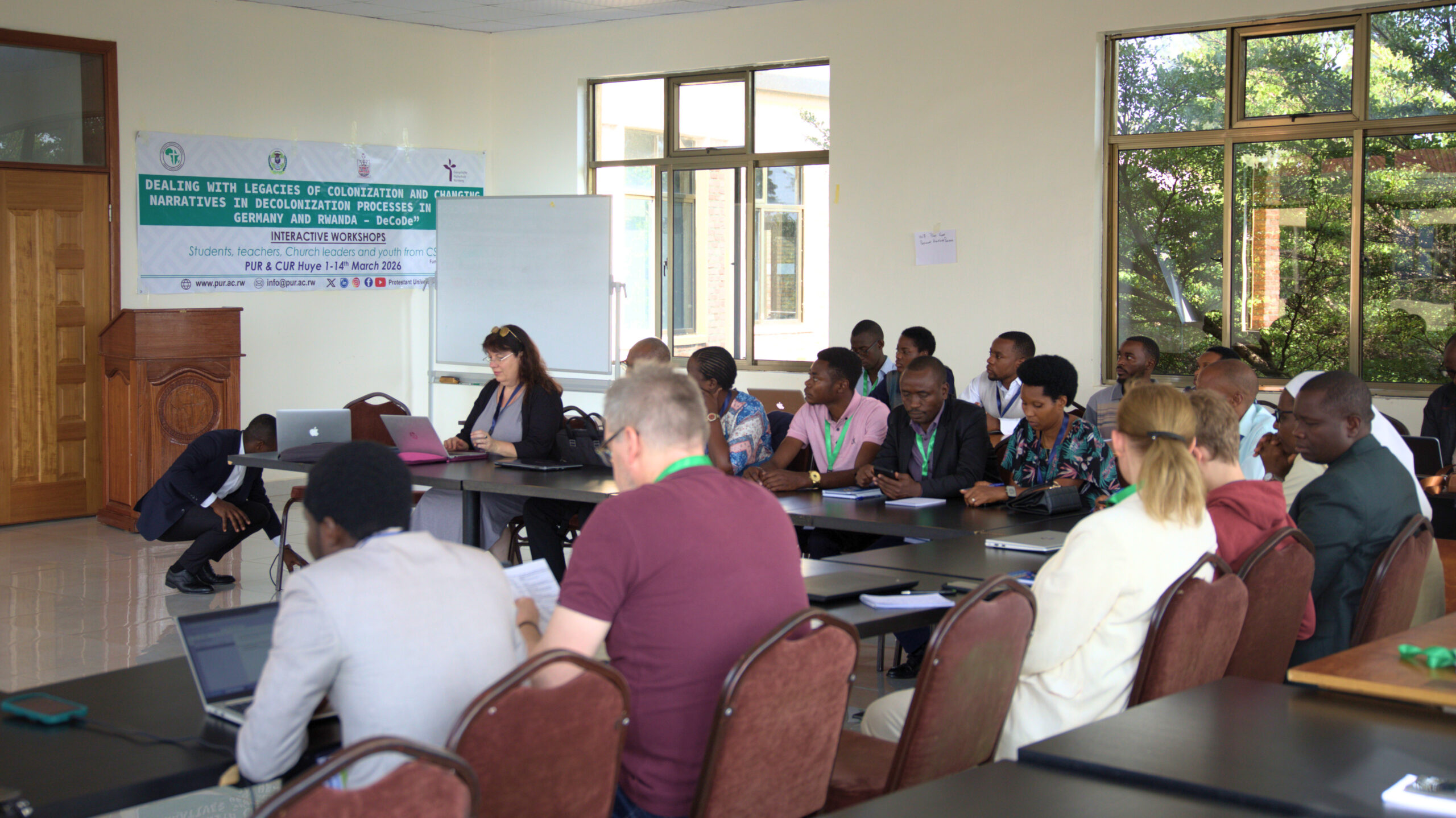
Teachers, students, and religious leaders from Rwanda, Burundi, and Germany gathered at the Protestant University of Rwanda (PUR) to examine the lasting effects of colonialism on Africa’s education system and discuss strategies to promote peace and mutual understanding.
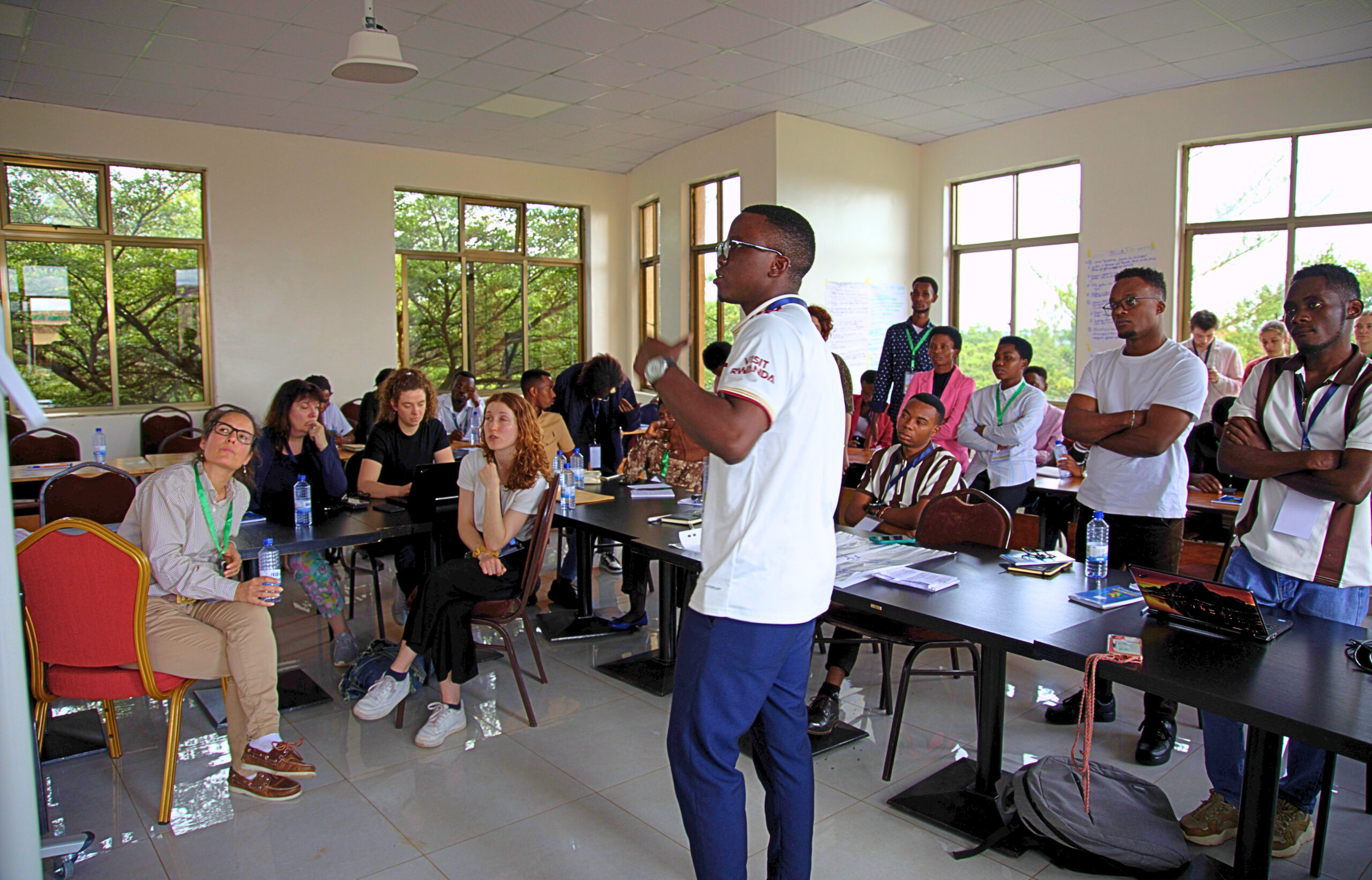
The program brought together more than 60 participants from universities, higher learning institutions, and religious organizations. Discussions focused on how colonial ideologies still influence education, particularly in the teaching of history, and explored ways to foster critical thinking and reconciliation.
NIKUZE Jean Claude, a student at Lac Tanganyika University in Burundi, said young people have a responsibility to continue dialogue across communities:
“We will continue discussing these topics among ourselves, with elders, and with people from different cultural backgrounds. This will help reshape perspectives influenced by history,” he said.
Hagsipel Melanie, a student from the Protestant University of Nuremberg in Germany, added that cross-cultural exchange enables students to understand history from broader perspectives, contributing to a shared vision for the future.
Participants also visited key historical sites, including the Kigali Genocide Memorial and the Campaign Against Genocide Museum, to deepen their understanding of Rwanda’s historical context.
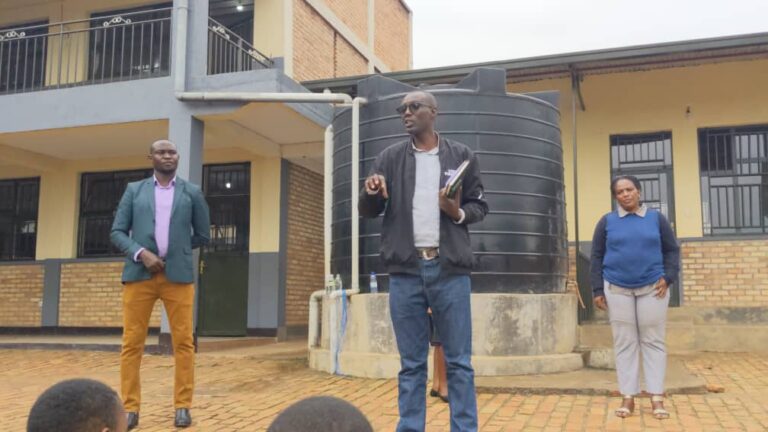
Prof. Olu Ojedokun, Vice Chancellor of PUR, said programs like this empower young people to become agents of positive change both locally and internationally.
Dr. Albert Nzabonariba of the Catholic University of Rwanda emphasized that knowledge gained through such initiatives should be shared within communities and online to amplify messages of peace.
Following the academic sessions, the dialogue expanded to include religious leaders, churches, and representatives of civil society organizations, recognizing the important role faith communities play in shaping social values and fostering reconciliation.
Among those participating in this stage is Sister Icyimanimpaye Leonie, who said the discussions focused on understanding both the constructive and harmful legacies left by colonial rule.
“Our discussions focus on identifying the positive aspects we can build on while addressing the painful legacies of colonialism. This will allow us to move forward together as Rwandans, Burundians, and Germans, regardless of our religious backgrounds,” she said.
Sister Leonie also reflected on how colonial powers historically divided communities that once coexisted peacefully, noting that understanding this history is crucial for reconciliation and lasting peace.
Organizers say that involving religious leaders in this phase brings ethical, moral, and community perspectives to the dialogue, reinforcing efforts to overcome historical divisions and strengthen education as a tool for unity and sustainable peace.
NSHIMIYIMANA FRANCOIS