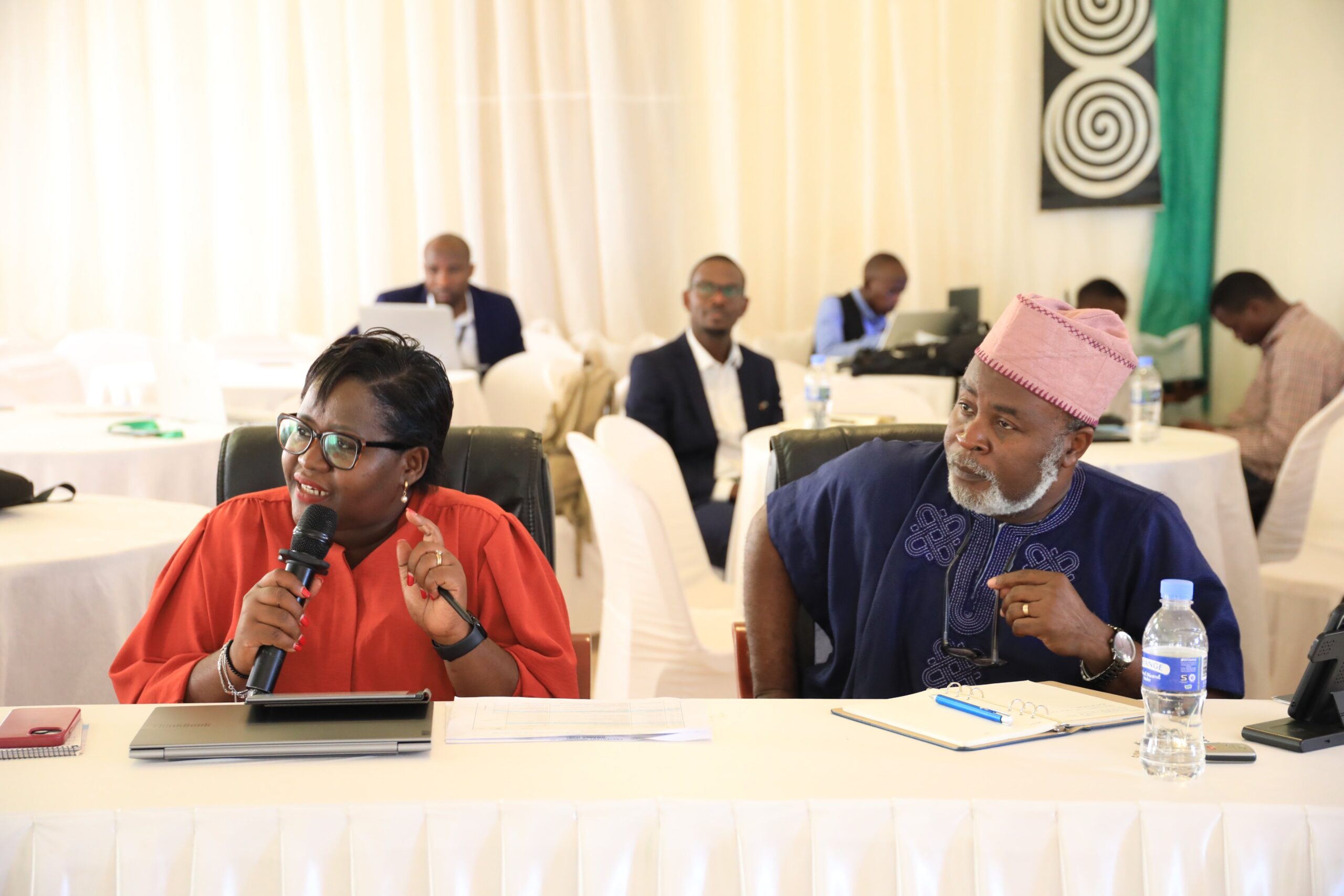

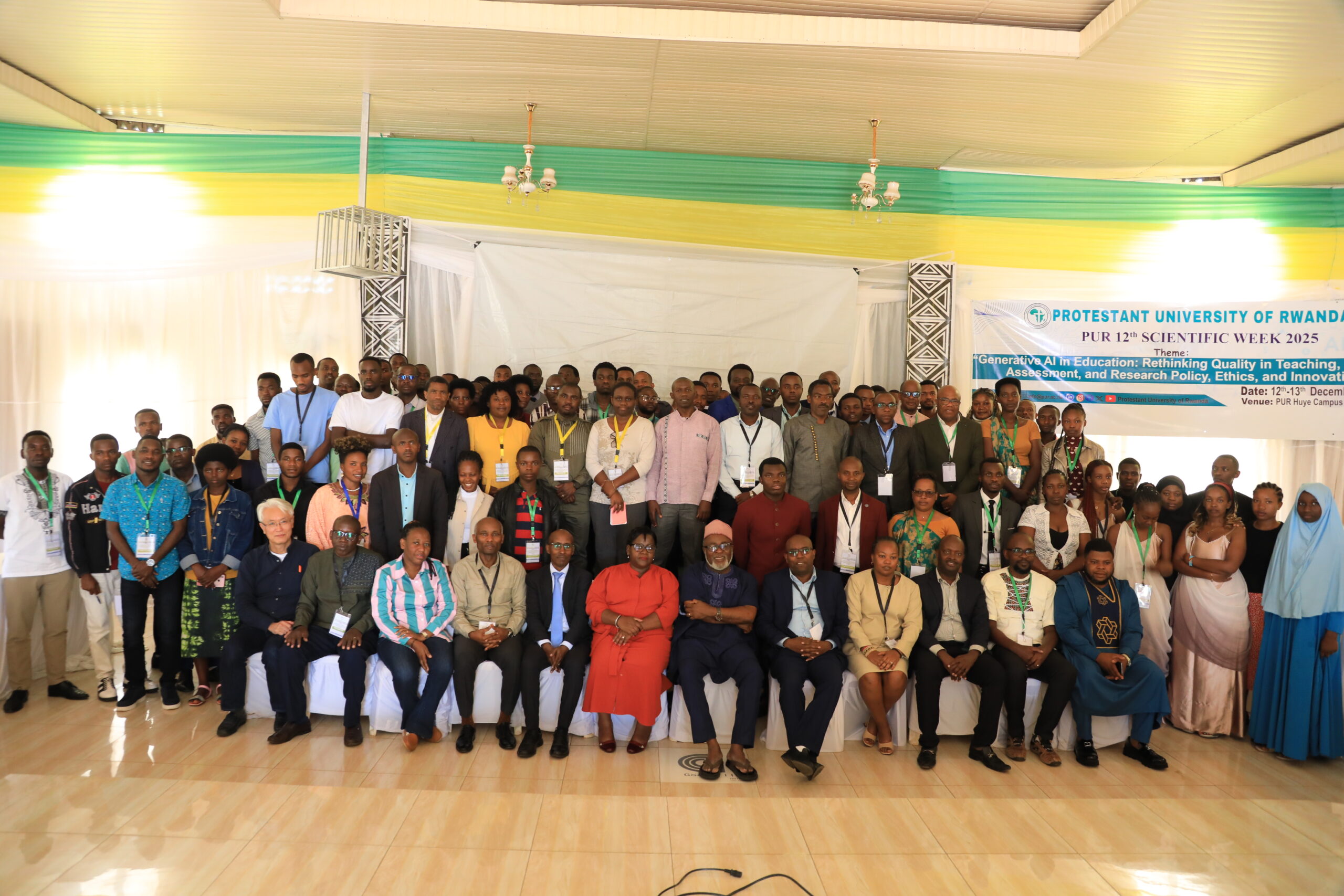
Huye, Rwanda December 2025 The Protestant University of Rwanda (PUR) concluded its Scientific Week 2025 in style, highlighting the transformative role of Generative Artificial Intelligence (AI) in education under the theme: “Generative AI in Education: Rethinking Quality in Teaching, Learning, Assessment, and Research Policy, Ethics, and Innovation.”
Olivier Rwigimba, a student at the Protestant University of Rwanda (PUR) who attended the conference on the use of Artificial Intelligence, said that one of the current challenges in adopting AI is that many students are still learning how to use the technology effectively. He noted that language barriers also affect students’ academic performance.
“Some students do not fully understand the language used in their courses. AI helps us better understand questions that are asked and assists us in expressing our ideas more clearly in writing,” Rwigimba said.
He added that AI tools are particularly helpful in academic writing.
“AI helps us to write well-structured dissertations and to paraphrase academic content properly,” he explained.
Meanwhile, Ayinkamiye Sandrine, a Master’s student in Education Quality Management at PUR–Huye, said the Scientific Week provided her with valuable insights into the responsible use of AI.
“This Scientific Week has given me a deeper understanding of how AI can support learning and enhance knowledge.
It helped me realize that AI should assist us in learning, rather than replacing our work, as I previously thought,” she said.
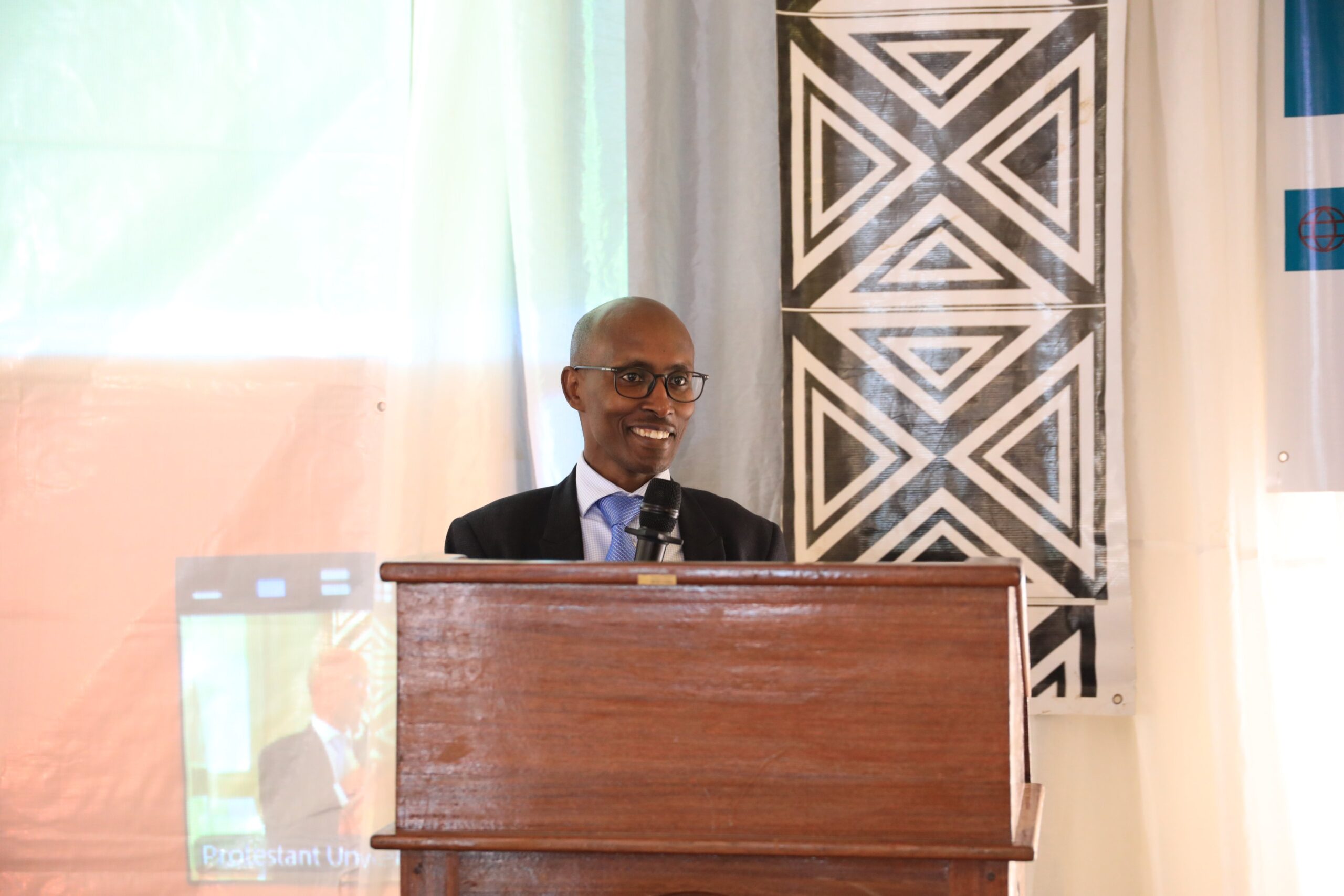
In his keynote address, Prof. Olu O. Ojedekun, Vice-Chancellor of PUR, emphasized the dual nature of AI as both a powerful educational tool and a challenge requiring careful regulation. “AI has to be regulated, but guidance is needed from lecturers so that students are encouraged to use AI responsibly. At the same time, we must have tools to assess its use,” he said.
Prof. Ignace Gatare, Principal of the College of Science and Technology, stressed the importance of integrity among Rwandans, saying:
“As Rwandans, we must be people of integrity. There are individuals who ask ChatGPT to write a sermon for them, to write a book, or—if they are journalists—to write an article, or if they are leaders, to produce statements based entirely on AI, and then claim that work as their own. That is dishonesty and a sign of laziness. It is unacceptable, especially given our national values of integrity. Just as dishonesty is prohibited in other areas, we must extend these values to the use of AI as well.”
Prof. Ojedekun noted that lecturers should be equipped to monitor AI usage effectively. “Even when students use AI, lecturers must have the capacity to assess it. We know our students; if a student suddenly speaks perfect English when they previously struggled, it is clear a tool is being used. Transparency is key. If students reference the AI they use, there should be no penalty. The issue arises when usage is hidden,” he explained.
Addressing the challenges of integrating AI into education, Prof. Ojedekun cited resource limitations and connectivity issues, particularly in remote areas of Rwanda. “AI implementation requires infrastructure, computers, and reliable internet access, which are not available everywhere,” he said.
Yet, he stressed the opportunities AI presents for localizing education. “If we deliberately input African knowledge, languages like Kinyarwanda or Swahili, and indigenous content into AI, students accessing these tools will benefit from information rooted in African perspectives rather than colonial frameworks,” he noted. Prof. Ojedekun shared a personal example of correcting AI responses to ensure accurate data for future users.
The Vice-Chancellor also advocated for AI literacy from an early age. “AI should be taught not only at the university level but also in secondary and primary schools. AI is a tool, not a master. Early education ensures students use AI as a complement to critical thinking rather than a replacement,” he said.
Highlighting PUR’s commitment to AI innovation, Prof. Ojedekun celebrated the university’s leadership in organizing two international AI conferences, attracting participants from across Africa and Europe. “PUR is exceptional in fostering innovation and creativity. Whether you are part of the university or not, we welcome everyone to experience the intentionality and innovation here at Huye and Butare,” he concluded.
The Scientific Week 2025 at PUR underlined the growing importance of AI in shaping the future of education in Rwanda, emphasizing ethical use, capacity building, and the integration of local knowledge into digital learning platforms.